Can Oils & Drugs be Used Safely at the Same Time?

Can Oils & Drugs be Used Safely at the Same Time?

~^~ by David Stewart, PhD, DNM

Reprinted with permission from : http://www.raindroptraining.com/messenger/v9n1.html#oils

A common question that I receive is whether or not essential oils can interfere or have adverse reactions with a prescription drug. In other words, if you are taking pharmaceuticals on the advice of a doctor, is it safe to use essential oils by any means (topically, orally, or by inhalation), at the same time as the drugs or not?

I researched essential oil/drug interactions thoroughly when I was writing my Chemistry Book and was unable to find a single citation or publication that indicated any adverse reactions between drugs and essential oils anywhere. If there is a problem between oils and pharmaceuticals, it must not be a serious one since no medical reference I checked referred to the topic. There were some precautions about over-using essential oils by themselves, but I found no publication, by a health care authority who uses both oils and prescriptions drugs, that mentioned any such problems.

I have heard verbal statements by uninformed doctors that there may be some adverse reactions between drugs and oils, but they cite no studies or evidence for their opinions. From my research I have not come across any problems between prescriptions and essential oils anywhere in print. This is not to say that adverse interactions between oils and drugs don’t exist. It could be that, at this time, such occurences may have just gone unreported. All I can say is that after a thorough search I could not find any reports of such reactions.

A review of the medical literature pertinent to this topic is found in Chapter Eleven of my Chemistry Book. Twenty-nine references were reviewed including works by medical doctors, pharmacists, registered nurses, and others. These included the following: “Medical Aromatherapy” by Kurt Schnaubelt, PhD; “The Merck Manual of Diagnosis and Therapy” edited by Mark Beers, MD, and Robert Berkow, MD; “L’Aromatherapie Exactement” by Pierre Franchomme, PhD, & Daniel Penoel, MD; “The Practice of Aromatherapy” by Jean Valnet, MD; “Clinical Aromatherapy: Essential Oils in Practice” by Jane Buckle, RN, PhD; “Freedom Through Health” by Terry Friedmann, MD; “Pharmacognosy and Pharmacobiotechnology” by James Robbers, PhD, Marilyn Speedie, PhD, and Varro Tyler, PhD, Sc.D.; “Clinical Aromatherapy for Pregnancy and Childbirth” by Denise Tiran, RN; ; “Physicians Desk Reference (PDR) for Herbal Medicine,” edited by Thomas Fleming, PharmD, Joerg Gruenwald, PhD, and Christof Jaenicke, MD; and many others.

Editor’s Note: David Stewart’s book, “The Chemistry of Essential Oils Made Simple” subtitled, “God’s Love Manifest in Molecules,” 848 pages, hardcover, $49.95 plus s&h, is available at the CARE Website, www.RaindropTraining.com.

ESSENTIAL OILS AND PETS

ESSENTIAL OILS AND PETS

Have you ever wondered about using essential oils on your pets?  Here are a few guidelines:

  • If your pet has never been introduced to essential oils before, introduce them slowly and begin with small amounts. Animals are more sensitive to oils than we are.   God gave them a wonderful sense of smell.
  • With oils that are considered “hot” oils such as oregano or clove, it might be best to dilute the oil first with a carrier oil such as olive or coconut oil or Young Living’s v-6 oil.  Never dilute with water, it drives the oils deeper into the skin.

What are some ways to use essential oils on pets:

  • Diffusing:  Diffusing is a great way of introducing oils to your pets.  If an animal finds the aroma too strong, they can move away from the diffuser.
  • Internally:  Try adding a drop of oil into your pets food or water.  It is more likely to be ingested if mixed with a carrier such as honey, Ningxia Red or coconut oil.
  • Petting Method:  Take a drop of oil and rub it on your hands until there is little to no residue left on your palms.  Pet your animal.  Avoid sensitive areas such as on the face, nose or bottom of the feet.
  • Indirectly:  Put a drop of oil on your hand and rub your hands on something your pet can approach like furniture or bedding.
  • Sprayer:  Add water and oil in a spray bottle.  Use to mist the kitty litter box, bedding or on animals.  It is best to use a glass bottle if possible since oils can leach out toxins in plastic.  Also, add a pinch of salt to the oil and water to help from clogging the sprayer.  A great ratio to begin with would be one drop of oil to four ounces of water.  Shake before using to disperse the oil.
  • Topically:  Allow one drop to drip on the animal.  Oils will absorb through the hair follicles so there is no need to drop the oil directly on the skin.  Oils can either be diluted or applied neat (without a carrier oil).  Never place the oils directly in the ear canal of pets or people.


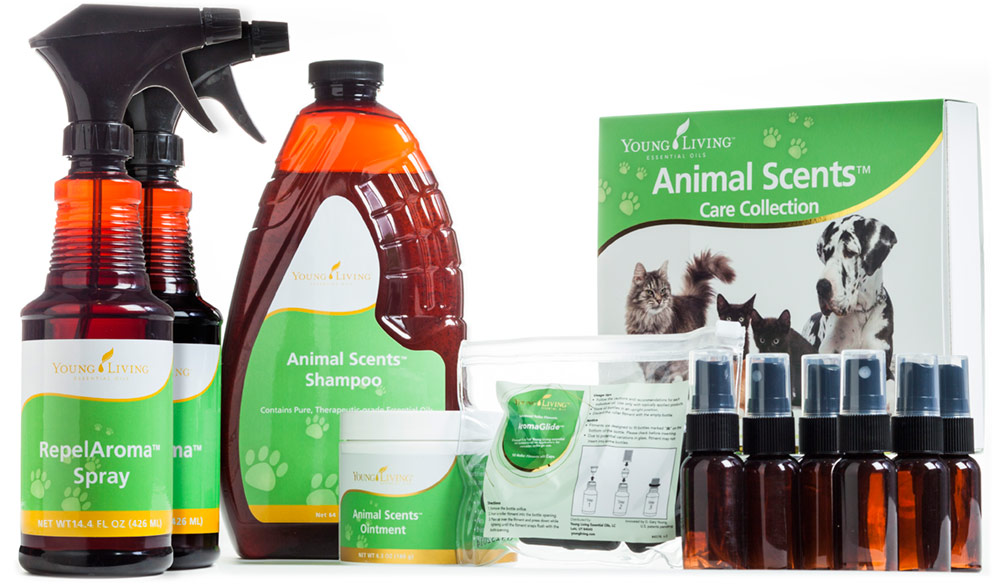
Young Living has a great line just for animal care.

Animals Scents


Check it out at youngliving.com.

So now you know how to apply, which oils should you choose?  The same as you would for yourself.  Just use smaller amounts.  Have questions on which oils to use, find a great Essential Oil Desk Reference through Amazon or Life Science Publishing at discoverlsp.com.

My daughter Aubree's beautiful puppy, Hudson.

Compensation Plan Presentation

Compensation Plan Presentation

In this video you will learn about Young Living’s compensation pan, the business model, and what you might expect as a distributor.  Thanks to Lauren Brollier.


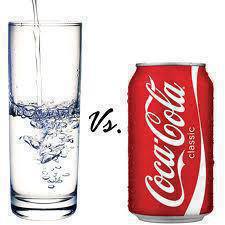
Water vs. Coke

Water vs. Coke

WATER

1. 75% of Americans are chronically dehydrated.

2. In 37% of Americans, the thirst mechanism is so weak that it is often mistaken for hunger.

3. Even MILD dehydration will slow down one’s metabolism as much as 30%.

4. One glass of water will shut down midnight hunger pangs for almost 100% of the dieters studied in a University of Washington study.

5. Lack of water, the #1 trigger of daytime fatigue.

6. Preliminary research indicates that 8-10 glasses of water a day could significantly ease back and joint pain for up to 80% of sufferers.

7. A mere 2% drop in body water can trigger fuzzy short-term memory, trouble with basic math, and difficulty focusing on the computer screen or on a printed page.

8. Drinking 5 glasses of water daily decreases the risk of colon cancer by 45%, plus it can slash the risk of breast cancer by 79%, and one is 50% less likely to develop bladder cancer.

And now for the properties of COKE

1. In many states (in the USA) the highway patrol carries two gallons of Coke in the truck to remove blood from the highway after a car accident.

2. You can put a T-bone steak in a bowl of coke and it will be gone in two days.

3. To clean a toilet: Pour a can of Coca-Cola into the toilet bowl and let the “real thing” sit for one hour, then flush clean. The citric acid in Coke removes stains from vitreous china.

4. To remove rust spots from chrome car bumpers: Rub the bumper with a rumpled-up piece of aluminum foil dipped in Coca-Cola.

5. To clean corrosion from car battery terminals: Pour a can of Coca-Cola over the terminals to bubble away the corrosion.

6. To loosen a rusted bolt: Applying a cloth soaked in Coca-Cola to the rusted bolt for several minutes.

7. To remove grease from clothes: Empty a can of coke into a load of greasy clothes, add detergent, and run through a regular cycle. The Coca-Cola will help loosen grease stains. It will also clean road haze from your windshield.


IMPORTANT INFO

1. The active ingredient in Coke is phosphoric acid. Its pH is 2.8. It will dissolve a nail in about 4 days. Phosphoric acid also leaches calcium from bones and is a major contributor to the rising increase in osteoporosis.

2. To carry Coca-Cola syrup (the concentrate) the commercial truck must use the Hazardous Material place cards reserved for highly corrosive materials.

3. The distributors of coke have been using it to clean the engines of their trucks for about 20 years!

Now the question is, would you like a glass of water or coke?

Nicole Mackey

Water vs. Coke

Young Living’s Philosophy

Young Living’s Philosophy

“Anything that goes ON your body should be safe enough to go IN your body.” Have you given this statement any thought? Would you drink your shampoo? Swallow your toothpaste? Your skin is your largest organ. Anything you put on your body goes in your body. That is why I use Young Living Essential Oils. They are pure, using virgin soil, non-GMO seeds, no pesticides, no additives. I could drink their shampoo and I do swallow Young Living’s toothpaste. It is just as beneficial at killing germs in my mouth as it is in the rest of my body.

Young Living Philosophy